

Meta Andromeda Update: Everything You Need to Know About Meta’s Latest Operating System Breakthrough
The tech world is buzzing with anticipation following Meta’s recent announcements about Project Andromeda, the company’s ambitious venture into creating a new operating system that could fundamentally transform how we interact with augmented reality, virtual reality, and mixed reality environments. As Meta continues to push the boundaries of immersive technology, the Andromeda update represents a significant milestone in the company’s journey toward building the metaverse of tomorrow.
What Is Meta Andromeda?
Meta Andromeda is a custom-built operating system designed specifically for Meta’s next generation of augmented reality and mixed reality devices. Unlike traditional operating systems that were adapted for XR (extended reality) use, Andromeda has been engineered from the ground up with spatial computing in mind. This fundamental difference allows for optimizations and capabilities that simply aren’t possible with retrofitted solutions.
The operating system takes its name from the Andromeda galaxy, a fitting metaphor for Meta’s expansive vision of interconnected virtual worlds and experiences. Just as the Andromeda galaxy is our nearest major galactic neighbor, Meta envisions their AR/MR platform as the closest bridge between our physical and digital realities.
The Meta Andromeda Update marks a transformational moment not only for augmented reality (AR) and mixed reality (MR) technology, but also for the future of digital marketing. Meta Andromeda is a custom-built operating system designed specifically for Meta’s next generation of AR and MR devices. Unlike traditional operating systems that were later adapted for extended reality (XR), Andromeda has been engineered from the ground up with spatial computing as its core foundation. This fundamental design shift enables capabilities and optimizations that simply cannot be achieved with retrofitted platforms.
For marketers, this evolution represents a major opportunity. The Meta Andromeda Update lays the groundwork for immersive, data-driven, and highly personalized brand experiences that blend seamlessly into users’ physical environments.
Understanding Meta Andromeda’s Vision
Developed by Meta Platforms, Andromeda is more than an operating system—it is the technological backbone of Meta’s long-term strategy for immersive computing and connected digital ecosystems.
The operating system takes its name from the Andromeda Galaxy, a powerful metaphor for scale, connection, and expansion. Just as the Andromeda Galaxy is our closest galactic neighbor, Meta envisions its AR/MR platform as the closest bridge between the physical and digital worlds. Through the Meta Andromeda Update, this bridge becomes more stable, intelligent, and commercially viable.
Why the Meta Andromeda Update Matters for Digital Marketing
Traditional digital marketing has largely been limited to screens—mobile phones, desktops, and tablets. The Meta Andromeda Update changes this paradigm by enabling spatial marketing, where ads, branded content, and experiences exist within three-dimensional environments.
Instead of scrolling past ads, users can now:
-
Interact with branded 3D objects
-
Experience products at real scale
-
Engage with immersive storytelling
-
Explore virtual showrooms inside real spaces
This shift transforms digital marketing from passive exposure into active engagement, significantly increasing attention, recall, and conversion potential.
Spatial Computing as a Marketing Advantage
At the core of the Meta Andromeda Update is spatial computing—the ability for digital content to understand and respond to the physical environment. For marketers, this unlocks entirely new strategies.
Brands can now design campaigns that:
-
Adapt to a user’s real-world surroundings
-
Change based on location, lighting, or movement
-
Offer contextual product demonstrations
-
Create persistent branded experiences across sessions
This level of environmental awareness allows marketing messages to feel less intrusive and more relevant, improving user perception and brand trust.
AI-Driven Personalization in the Meta Andromeda Update
Artificial intelligence is deeply embedded into the Meta Andromeda Update, and this has major implications for digital marketing performance. AI-powered systems analyze spatial data, user behavior, and interaction patterns in real time.
From a marketing perspective, this enables:
-
Hyper-personalized immersive ads
-
Smarter audience targeting in AR/MR environments
-
Predictive content delivery based on user intent
-
Real-time optimization of immersive campaigns
By integrating AI at the operating system level, Meta ensures that marketing experiences feel natural, adaptive, and relevant—rather than scripted or repetitive.
Performance Optimization and Ad Experience Quality
One of the biggest challenges in immersive marketing is performance. Lag, low frame rates, or poor rendering can break immersion and reduce campaign effectiveness. The Meta Andromeda Update addresses this with system-level optimizations designed specifically for AR and MR hardware.
Key benefits for marketers include:
-
Smooth, high-quality 3D ad rendering
-
Faster load times for immersive content
-
Stable performance across long sessions
-
Better battery efficiency for wearable devices
These improvements ensure that immersive ads feel premium and professional, strengthening brand credibility.
New Advertising Formats Enabled by Meta Andromeda
The Meta Andromeda Update introduces opportunities for entirely new ad formats that go beyond traditional banners or video ads.
Examples include:
-
Interactive product demos users can walk around
-
Virtual brand ambassadors inside physical spaces
-
Immersive storytelling experiences tied to campaigns
-
Location-based AR promotions and activations
These formats allow brands to tell richer stories and build emotional connections, which are critical in modern digital marketing.
Data, Analytics, and Measurement in Spatial Marketing
Measurement is essential for any digital marketing strategy. The Meta Andromeda Update enhances analytics by capturing new forms of engagement data—while maintaining privacy controls.
Marketers can analyze:
-
Interaction time with 3D assets
-
Gesture-based engagement metrics
-
Spatial attention and movement patterns
-
Conversion behavior in immersive environments
This data helps refine campaigns, improve ROI, and better understand customer behavior in spatial contexts.
Privacy and Trust as Competitive Advantages
As immersive marketing grows, user trust becomes more important than ever. The Meta Andromeda Update includes privacy-first system architecture designed to protect sensitive spatial and behavioral data.
For digital marketers, this means:
-
Clear user consent mechanisms
-
On-device processing for sensitive data
-
Transparent data usage controls
-
Greater consumer confidence in immersive ads
Brands that respect privacy will gain a competitive edge in AR and MR marketing ecosystems.
Preparing Your Digital Marketing Strategy for Meta Andromeda
The Meta Andromeda Update signals a future where immersive marketing becomes mainstream. Forward-thinking brands and marketers should begin preparing now by:
-
Experimenting with AR-based campaigns
-
Investing in 3D and immersive content creation
-
Learning spatial UX and storytelling principles
-
Aligning brand identity with immersive platforms
Early adoption will allow brands to stand out as innovators while competitors remain stuck in traditional formats.
The Latest Meta Andromeda Update: Key Features and Improvements
The most recent Andromeda update brings several groundbreaking features that showcase Meta’s commitment to creating a seamless mixed reality experience. Let’s explore the most significant enhancements that have developers and users excited about the platform’s potential.
The update introduces real-time occlusion rendering, which ensures that virtual objects appear correctly positioned in relation to physical objects. If you place a virtual sculpture on your coffee table, it will be properly hidden behind your coffee mug if you view it from the right angle. These subtle details create a more convincing and immersive mixed reality experience.
Improved Performance and Efficiency
Performance optimization has been a major focus of the Meta Andromeda Update. Engineers at Meta Platforms have introduced advanced resource management protocols that significantly reduce system latency and improve frame rates across all supported devices. These improvements are especially important for mixed reality experiences, where even small delays can break immersion and cause discomfort. A newly implemented power management system intelligently balances performance with battery efficiency, making it ideal for wearable AR devices designed for extended daily use.
The operating system now includes dynamic resolution scaling that automatically adjusts visual fidelity based on scene complexity and available system resources. This ensures consistently smooth performance in demanding environments while preserving high visual quality in areas where detail matters most.
Revolutionary Hand Tracking and Gesture Controls
Hand tracking has received substantial upgrades in the Meta Andromeda Update, delivering a noticeable leap in precision and responsiveness. The system can now recognize subtle finger movements with remarkable accuracy, enabling more detailed and expressive interactions with virtual interfaces. This advancement opens the door to use cases such as virtual musical instruments, intricate design work, and fine-grained UI control using only natural hand movements.
A newly expanded gesture vocabulary makes interactions feel intuitive and familiar. Users can pinch, swipe, rotate, and manipulate virtual objects as naturally as they would physical ones. The system also adapts to individual hand anatomy, learning from different hand sizes and movement patterns to deliver a personalized and consistent experience.
Advanced Social Presence Features
Social interaction remains central to Meta’s immersive vision, and the Meta Andromeda Update introduces major improvements to avatar realism and social presence. A redesigned avatar rendering engine captures subtle facial expressions, eye movement, and body language, helping convey emotion and intent more effectively in virtual spaces.
Spatial audio has also been enhanced, allowing conversations to feel more lifelike. Voices now originate from accurate directions and distances, with acoustic behavior that changes based on the environment—whether inside a virtual conference room or an open digital plaza—greatly improving immersion and communication clarity.
Developer-Friendly APIs and Tools
To support ecosystem growth, the Meta Andromeda Update expands the Andromeda SDK with powerful new APIs and tools. Developers can now more easily handle environment meshing, physics simulation, and real-time multi-user synchronization. These improvements reduce technical overhead and allow creators to focus on crafting engaging mixed reality experiences rather than managing infrastructure.
A new visual scripting system further lowers the barrier to entry, enabling creators without deep programming expertise to build interactive environments. This democratization of development tools is expected to fuel innovation and lead to a surge of creative applications across entertainment, productivity, and education.
Looking Ahead
By combining performance gains, intuitive interaction, richer social presence, and accessible development tools, the Meta Andromeda Update represents a major step forward in making mixed reality more immersive, practical, and scalable for both users and creators.
Privacy and Security Enhancements
Understanding that mixed reality devices collect sensitive spatial and biometric data, Meta has prioritized privacy and security in the Andromeda update. The operating system now includes on-device processing for sensitive operations, ensuring that personal data doesn’t need to be transmitted to cloud servers unless absolutely necessary.
New privacy controls give users granular control over what data is collected and how it’s used. The update introduces a privacy dashboard that clearly displays which applications have access to various sensors and data streams, with easy toggles to revoke permissions. Meta has also implemented end-to-end encryption for social interactions within Andromeda environments, protecting conversations and shared content from unauthorized access.
Integration with Meta’s Ecosystem
The Meta Andromeda Update significantly strengthens integration across Meta Platforms’ broader ecosystem of products and services, reinforcing Meta’s vision of connected digital experiences. By tightly linking mixed reality devices with familiar social platforms such as Instagram, Facebook, and WhatsApp, the update reduces friction between immersive environments and everyday digital communication.
Through the Meta Andromeda Update, users can seamlessly capture mixed reality moments and share them across traditional social platforms. Smart sharing features automatically transform immersive 3D content into optimized 2D formats, ensuring compatibility with feeds, stories, and messages. This makes it easy for users to showcase their metaverse creations to friends and followers—even if they are not yet using AR or MR devices. As a result, immersive content becomes more accessible, social, and shareable, helping drive broader awareness and adoption.
Another key improvement delivered by the Meta Andromeda Update is enhanced cross-device continuity. Users are no longer limited to completing experiences on a single device. Instead, activities can transition smoothly between hardware, preserving progress, context, and settings. For example, a user might begin designing a virtual space using lightweight AR glasses during a commute and later continue refining that same environment on a more powerful Meta Quest headset at home. This continuity creates a more flexible and natural workflow that mirrors how people already move between phones, tablets, and computers.
The Meta Andromeda Update also improves synchronization of user data, preferences, and spatial layouts across devices. Cloud-backed state management ensures that virtual environments remain consistent regardless of where or how users access them. This capability is especially valuable for productivity, creative design, and collaborative experiences that benefit from uninterrupted progress.
From a broader perspective, the Meta Andromeda Update positions mixed reality as an extension of Meta’s existing digital ecosystem rather than a separate, isolated platform. By blending immersive experiences with established social networks and enabling seamless device transitions, Meta lowers the barrier to entry for new users while increasing engagement for existing ones. This ecosystem-first approach strengthens user retention and helps mixed reality move closer to becoming an everyday computing experience rather than a specialized novelty.
Real-World Applications and Use Cases
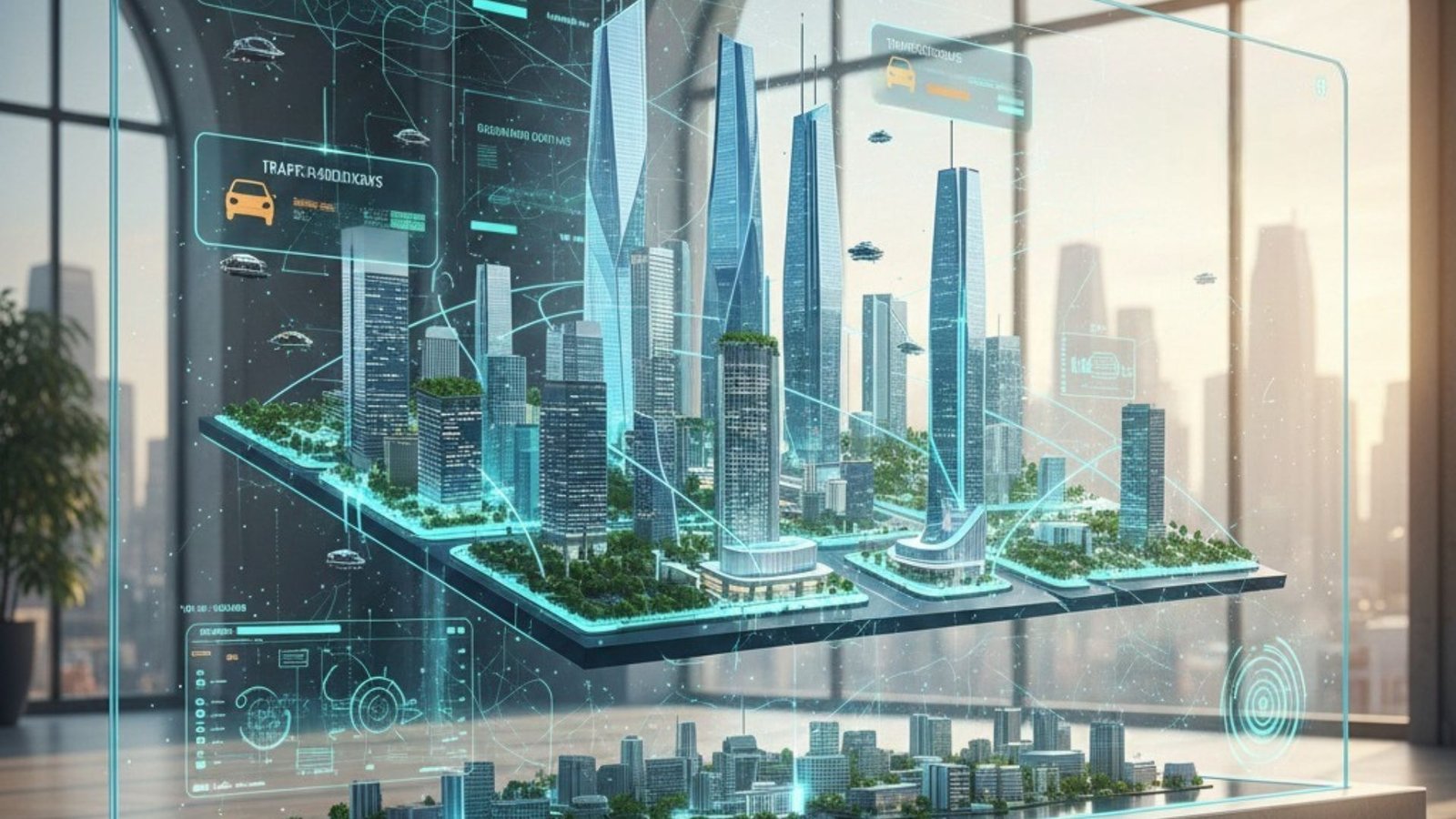
The practical applications enabled by the Andromeda update extend far beyond gaming and entertainment. Professionals are finding innovative ways to leverage the platform’s capabilities across various industries.
In architecture and interior design, the enhanced spatial computing allows clients to visualize proposed designs at full scale in their actual spaces. Real estate agents can offer virtual property tours that feel remarkably close to in-person visits. Educators are creating immersive learning experiences where students can explore historical sites, examine microscopic organisms at macro scale, or visualize complex scientific concepts in three dimensions.
Healthcare providers are experimenting with medical training simulations and patient education tools built on Andromeda. The precise hand tracking enables surgical training scenarios, while the improved social presence features facilitate remote consultations that feel more personal than traditional video calls.
Performance Across Meta’s Device Lineup
The Meta Andromeda Update has been carefully optimized to operate across Meta Platforms’ diverse hardware ecosystem, ranging from standalone VR headsets to future lightweight AR devices. This cross-device compatibility ensures a consistent core experience while allowing each product to take advantage of its unique technical strengths. Rather than applying a one-size-fits-all approach, Meta has designed Andromeda to adapt intelligently to different hardware profiles.
On Meta Quest devices, the Meta Andromeda Update significantly enhances mixed reality functionality. Improved passthrough camera processing enables more accurate color reproduction and better depth perception, allowing virtual objects to blend naturally into real-world environments. These advancements create more convincing mixed reality experiences where digital elements interact seamlessly with physical surroundings, making applications feel grounded and intuitive rather than artificial.
Beyond visual improvements, the update also strengthens environmental understanding on Quest devices. Spatial mapping, surface detection, and object recognition work together to ensure virtual content behaves realistically within physical spaces. This level of immersion is essential for gaming, productivity, training, and collaborative applications that rely on accurate real-world context.
Looking ahead, the Meta Andromeda Update has been engineered with future AR glasses in mind. Its lightweight, modular architecture minimizes power consumption and heat generation—two critical factors for all-day wearable devices. By scaling system features based on hardware capabilities, Andromeda ensures that advanced functionality does not compromise comfort or battery life.
The flexibility built into the Meta Andromeda Update allows Meta to maintain performance consistency across devices while supporting innovation in new form factors. This forward-compatible design positions Andromeda as a long-term platform capable of evolving alongside advancements in AR and mixed reality hardware, ensuring users and developers benefit from a stable yet future-ready operating system.
Looking Ahead: The Future of Andromeda
Meta Platforms has indicated that the Andromeda operating system will continue to evolve rapidly, with regular enhancements planned throughout the year. The Meta Andromeda Update roadmap includes several ambitious features aimed at pushing mixed reality closer to mainstream usability. Among the upcoming additions are advanced AI assistants capable of understanding contextual information from a user’s mixed reality environment, enabling more intuitive and responsive interactions. These assistants are expected to support hands-free workflows, contextual suggestions, and intelligent task automation within immersive spaces.
Another major focus of the Meta Andromeda Update is collaboration. Meta has teased collaborative workspaces that support real-time, multi-user editing, allowing teams to work together inside shared virtual environments regardless of physical location. Alongside this, enhanced photorealistic rendering for virtual objects is being developed to improve visual fidelity, lighting accuracy, and material realism—key factors for design, training, and enterprise visualization use cases.
Accessibility is also a core pillar of the Meta Andromeda Update evolution. Meta is actively expanding accessibility features to ensure mixed reality experiences are inclusive for users with diverse abilities. Planned improvements include more robust voice control options, refined haptic feedback systems, and customizable interface layouts. These features aim to make immersive technology more comfortable, adaptable, and usable for a wider audience.
Community Response and Early Adoption
The reception to the Meta Andromeda Update among developers and early adopters has been largely positive. Many have praised the improved development tools, better performance metrics, and increased system stability. Beta testers report smoother overall experiences, fewer instances of tracking loss, and more consistent rendering of complex mixed reality scenes—improvements that directly impact both usability and immersion.
Several high-profile developers have already announced projects built specifically for the updated Andromeda platform. Gaming studios are leveraging improved hand tracking and spatial audio to create more immersive gameplay, while productivity-focused developers are experimenting with virtual workspaces that integrate naturally into physical environments. The creative community, in particular, has shown strong enthusiasm for the enhanced avatar systems and expanded social features.
Enterprise adoption is also gaining momentum. Early enterprise users are testing Andromeda-powered solutions for training simulations, remote collaboration, and advanced visualization workflows. Organizations in manufacturing, logistics, and design sectors report encouraging results from pilot programs, highlighting the platform’s stability, scalability, and ease of integration with existing systems as major advantages.
Technical Specifications and System Requirements
For those interested in the technical details, the Andromeda update brings several under-the-hood improvements worth noting. The operating system now supports higher resolution displays, with native compatibility for 4K per eye rendering on capable devices. The graphics pipeline has been optimized to support more complex shaders and lighting effects while maintaining the 90 frames per second target necessary for comfortable extended reality use.
Memory management has been substantially improved, with the update introducing intelligent asset streaming that loads and unloads content based on predicted user movement and gaze patterns. This predictive loading reduces the memory footprint of applications while ensuring that needed assets are always available when users need them.
The update also brings expanded codec support for spatial video and audio formats, enabling higher quality content capture and playback. Meta has introduced its own spatial media format optimized for the Andromeda platform, promising better compression and quality than existing standards while maintaining compatibility with industry-standard formats.
Competitive Landscape and Market Position
The Meta Andromeda Update positions Meta Platforms more competitively within the fast-growing spatial computing landscape. While competitors such as Apple Vision Pro and various Android-based XR platforms offer compelling alternatives, Meta’s strategy with Andromeda emphasizes openness and developer accessibility. By committing to backward compatibility for applications built on earlier XR platforms, Meta provides developers with confidence that their investments will remain viable and protected over time.
Through the Meta Andromeda Update, Meta also reinforces its goal of making mixed reality accessible to a broader audience. By optimizing the operating system to run efficiently on mid-range hardware, the company aims to expand adoption beyond early adopters and technology enthusiasts. This democratization-focused pricing strategy stands in contrast to premium-priced competitors and may prove critical in driving mainstream acceptance of spatial computing technologies.
The Meta Andromeda Update is further strengthened by Meta’s significant investment in content partnerships and developer incentive programs. By allocating substantial resources to fund flagship applications that showcase Andromeda’s capabilities, Meta is accelerating ecosystem growth with high-quality experiences. These early showcase applications help attract users while encouraging more developers to build on the platform, creating momentum for long-term adoption.
Environmental and Sustainability Considerations
In response to growing concerns about the environmental impact of technology, Meta has incorporated sustainability features into the Andromeda update. The improved power management doesn’t just extend battery life—it also reduces the overall energy consumption of devices, contributing to a smaller environmental footprint. The company has optimized the operating system’s code efficiency, reducing the computational resources required for common tasks.
Meta has also introduced features that encourage responsible usage of mixed reality technology. Built-in wellness features remind users to take breaks, maintain awareness of their physical surroundings, and manage their screen time effectively. These considerations acknowledge that while mixed reality offers exciting possibilities, balanced and mindful usage is important for user wellbeing.
Educational Resources and Getting Started
For those interested in exploring or developing for the Andromeda platform, Meta has created comprehensive educational resources. The company offers free online courses covering everything from basic concepts in spatial computing to advanced development techniques. Documentation has been significantly expanded with the latest update, including detailed API references, best practice guides, and case studies from successful applications.
Meta’s developer forums and community channels provide spaces where creators can share knowledge, troubleshoot issues, and collaborate on projects. The company regularly hosts virtual meetups and conferences where developers can learn about upcoming features and connect with other members of the Andromeda development community.
Conclusion
The Meta Andromeda Update represents a significant leap forward in the development of practical, consumer-friendly mixed reality experiences. By prioritizing performance, usability, and developer accessibility, Meta Platforms is laying the foundation for a future where digital and physical realities blend seamlessly. While challenges remain—such as device affordability, privacy concerns, and the need for compelling content—the technical groundwork delivered through this update is both robust and forward-thinking.
The breadth of enhancements introduced in the Meta Andromeda Update highlights Meta’s holistic approach to building a scalable mixed reality platform. Improvements span from low-level performance optimizations to high-level social and collaborative features, as well as from advanced developer tools to refined user privacy controls. This balanced focus ensures that the ecosystem supports creators, businesses, and everyday users alike, rather than prioritizing one group at the expense of others.
A key strength of the Meta Andromeda Update lies in its modular operating system architecture. This design allows the platform to evolve alongside advancing hardware capabilities while maintaining compatibility with existing applications. As mixed reality devices become more powerful, Andromeda is positioned to scale efficiently—reducing fragmentation and ensuring a smoother transition for developers and users adopting new features over time.
As more developers begin to explore the platform’s capabilities, the Meta Andromeda Update is likely to accelerate the shift of mixed reality from a niche novelty into an integral part of daily digital life. Developers gain access to more efficient workflows and deeper system-level integration, while businesses can explore immersive solutions for training, collaboration, marketing, and customer engagement. For general users, this translates into more intuitive, stable, and meaningful mixed reality experiences.
The competitive landscape in spatial computing continues to intensify, and the Meta Andromeda Update clearly signals Meta’s determination to remain at the forefront of this technological transformation. With ongoing updates planned and a steadily growing community of developers and users, the platform’s trajectory appears promising. Ultimately, the success of Meta’s broader metaverse vision depends on operating systems like Andromeda delivering stability, flexibility, and innovation. Based on the capabilities demonstrated in this update, Andromeda stands not just as an operating system, but as a bridge to a future where digital and physical worlds converge in practical, transformative ways
AUTHOR :MOHAMMED HARSHAD